
International Conference on Artificial Intelligence Applications in Business Administration in MENA Region (ICAIABA’2026)
University of Biskra, Algeria | 13–14 April 2026
Proceedings published by


About the Conference
MENA region is characterised by its strategic geographical location at the crossroads of Europe, Africa, and Asia. Besides, its abundant natural resources which have made it a magnet for foreign investment. This fact has intensified competition among companies within the region and broadened its international competitiveness. The strong competitiveness and the global changes, with the appearance of new and advanced practices specially the digital and technological revolution which is featured by the AI application in business environment, push the companies worldwide to adapt these new practices. In order to be adapted with these changes, MENA companies should invest and develop the new techniques and technologies to keep their market share and obtain new competitive advantage. However, cultural characteristics, legal differences, and cognitive, technical, and data requirements may present barriers to have advantage of AI applications in the business world. This adoption has contributed to changing the business landscape, which has emerged at the level of commercial transactions and the company’s logistical supply. It has also penetrated all the company's functions, including strategic management, marketing, human resources management, production management, and financial management, to make its performance indicators higher and to enhance the decision-making process. Accordingly, the International Conference on Artificial Intelligence Applications in Business Adminstration (ICAIABA) is scheduled for April 13-14, 2026 in Biskra, Algeria. ICAIABA will be organized by the Faculty of economics, commerce, and management sciences in the University of Biskra (Algeria), to provide an opportunity for researchers, delegates, and students to interact and share their experience and knowledge in AI.
Topics of Interest
- Conceptual framework of artificial intelligence (AI).
- The cultural, legal and ethical framework of AI.
- The Applications of AI in companies’ functions within the MENA region:
- AI application in strategic management, human resources management, marketing, production and supply management, and financial management. - The big data and deep machine learning role in strategic decision making. - AI systems role in analyzing financial performance and planning for the future. - AI in Trade and Logistics in MENA region: - Smart transportation and logistics using AI. - AI applications in customs clearance and international trade. - The role of AI in reducing trade barriers and enhancing global commerce.
- AI and Digital Transformation in Business:
- The role of AI in digital business models and e-commerce. - The role of AI in enhancing business intelligence and analytics. - AI-powered customer service (chatbots, virtual assistants, CRM systems). - The AI applications in startups and entrepreneurship in MENA region.
- Challenges and Opportunities of AI Adoption in Business Administration in the MENA Region:
- The current state of AI adoption in MENA businesses administration. - The impact of AI on job markets and business models. - Case studies of successful AI implementation in MENA companies. - Government policies and initiatives supporting AI in the region. - The Importance of AI and data in organizations:
- Data and decision making processes - Centrality of client and consumer - Competitiveness and innovation - Risks management - Organization efficiency and control -
AI application by fields integration in MENA region:
-AI application in other fields (creative ideas to enhance MENA economies)
Conference Objectives
- Providing a platform for researchers and practitioners from academia and industry to meet and share cutting-edge developments in the field.
- Coordinating the contributions of AI researchers across disciplines to propose solutions to challenges associated with AI applications in business administration within the MENA region.
- Improving understanding and awareness of the importance of AI in digital transformation within business environments.
- Highlighting the latest scientific research contributions related to AI applications in business administration.
Benefits of Attending
- Gain cutting-edge knowledge : Engage with internationally renowned experts in Business, Management, and Artificial Intelligence, gaining access to the latest research and insights across these fields.
- Showcase your work on an stage : This conference provides a prestigious platform to highlight your contributions and gain valuable feedback from peers and experts.
- Publication opportunities: All accepted full papers will be published as proceedings book in Atlantis Press (part of Springer-Nature), providing a lasting academic record of your work.
- Collaborate with international scholars: Network with a vibrant, scholarly audience from around the world. This conference offers unique opportunities to build connections, explore collaborative projects, and form partnerships that could advance your academic and professional pursuits.
- Obtain participation certificates: The conference provides participants with accredited participation certificates in national and international academic promotion systems.
Who Should Attend
-
This international conference is chance for a diverse audience, including :
- Researchers and academics :Those in Business, Management, computer sciences, law and social sciences...ect, will gain valuable insights and opportunities to share and enhance their research.
- Corporate Professionals : Industry leaders, management, and corporate trainers will benefit from fresh perspectives on AI applications in Business Administration in MENA region.
- Government officials : Public sector leaders and will gain knowledge on digitalization and AI applications in Business Administration.
- Doctoral Students: Aspiring researchers will find a supportive platform for presenting ideas, networking, and learning from international experts.
Important Dates
- 📅 Submission Deadline:December 25th, 2025 February 05, 2026
- 📢 Acceptance Notification: February 21th, 2026 March 05, 2026
- 🎬 Camera ready: March 21th, 2026 March 26, 2026
- 📝 Registration: March 21th, 2026 March 26, 2026
- 🎓 Conference:April 13 and 14, 2026
Speakers
More Details
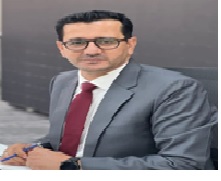
Dr. Ali Jamshid
University Affiliation: Tabuk university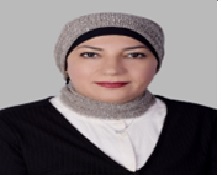
Prof. Islam Mahmoud ElGammal
University of Business and Technology, Jeddah / Hospitality and Tourism Department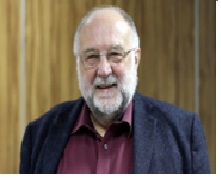
Prof. Malcolm Sawyer
Leeds University, Business School
Dr. Mustafa Nourallah
Mid Sweden UniversityCommittees
Honorary Chairs
- Prof. Zohir Dibi (University of Biskra, Algeria)
- Pr. Salim Bitam (University of Biskra, Algeria)
- Pr. Smail Hedjazi (University of Biskra, Algeria)
Publication Editors :
- Prof. Djouhara Agti (University of Biskra, Algeria)------- corresponding editor
- Prof. Salim Bitam (University of Biskra, Algeria)------- corresponding editor
- Prof. Fateh Debla (University of Biskra, Algeria)
- Prof. Reguia CHERROUN (University of Biskra, Algeria)
Organizing committee chair:
- Pr. Ahlem Khene (University of Biskra, Algeria)
Organizing Committee Members
- Dr. Kamila IZZRECH (University of Biskra, Algeria)
- Pr. Abdelhak RAIS (University of Biskra, Algeria)
- Dr. Souad MALIM (University of Biskra, Algeria)
- Dr. Nourhane GROUN (University of Biskra, Algeria)
- Dr. Karima BENCHARIF (University of Biskra, Algeria)
- Dr. Azzedine BOUTI (University of Biskra, Algeria)
- Pr. Mohamed GRICHI (University of Biskra, Algeria)
- Dr. Soulef RAHAL (University of Biskra, Algeria)
- Dr. Latifa BORNI (University of Biskra, Algeria)
- Dr. Mohamed Adnane BENDIFF (University of Biskra, Algeria)
- Dr. Mohamed Nacer KHENE (University of Biskra, Algeria)
- Dr. Abdelhak LAIFA (University of Setif, Algeria)
- Mme. Asma FODILI (University of Biskra, Algeria)
- Mme. Soumia FATOUCHE (University of Biskra, Algeria)
- Mme. Fatma DJABER (University of Biskra, Algeria)
- Dr. Radia Meghazi Larafi (University of Biskra, Algeria)
- Dr. Fatima Zohra AGTI (University of Biskra, Algeria)
- Master student. Djouadi mebarka (University of Biskra, Algeria)
- Master student. Missaoui oumeima (University of Biskra, Algeria)
- Master student. Yagoubi ferial (University of Biskra, Algeria)
- Master student. Soundous Belkacemi (University of Biskra, Algeria)
TPC chair:
- Pr. Djouhara Agti (University of Biskra, Algeria)
Technical Program Committee:
- Pr. Fateh Debla (University of Biskra, Algeria)
- Pr. Farouk Dey (Palo Alto University, USA)
- Pr. Ahmed Attia (Benha University, Egypt)
- Pr. Dina Pereira (Beira Interior University, Portugal)
- Pr. Sami Al Sheikh (King Saud University, Saudi Arabia)
- Pr. Anwar Salem Musibah (Seiyunu University, Yemen)
- Pr. Ali Jamshid (University of Tabuk, Saudi Arabia)
- Pr. Smail HEDJAZI (University of Biskra, Algeria)
- Pr. Mohammad Suleiman AWWAD (Mutah university, Jordan)
- Pr. Djouhara AGTI (University of Biskra, Algeria)
- Pr. Cristinel Constantin (University of Brasov, Romania)
- Pr. Yasmina GUECHARI (University of Biskra, Algeria)
- Pr. Wael Sultan Alhakimi (University of Tabuk, Saudi Arabia)
- Pr. Reguia CHERROUN (University of Biskra, Algeria)
- Pr. Abdelmawgoud Abdulla Abou Hamada (University of Tabuk, Saudi Arabia)
- Pr. Abdessami Rouina (University of Biskra, Algeria)
- Pr. Khalil CHERGUI (University of Oum El Bouaghi, Algeria)
- Pr. Farid BENABID (University of Biskra, Algeria)
- Pr. Abdennacer Moussi (University of Biskra, Algeria)
- Pr. Yacine Boubakeur (University of Biskra, Algeria)
- Pr. Adel Boumedane (University of Biskra, Algeria)
- Pr. Abeer Alkhwaldi (Dakota state University, USA)
- Pr. Fouzia Mekkrache (University of Djijel, Algeria)
- Pr. Riad Aichouche (University of Oum El Bouaghi, Algeria)
- Pr. Imane Yousfi (University of setif, Algeria)
- Pr. Abdelhamid Mellouk (University of Paris-Est Créteil Vitry-sur-Seine, France)
- Pr. Scott Fowler (Linköping University (LiU), Sweden)
- Pr. Kamal eddine Melkemi (University of Batna 2, Algeria)
- Dr. Sofiane Zaidi (University of Oum El Bouaghi, Algeria)
- Dr. Brahim Mefkouda (Khalifa University, UAE)
- Pr. Abderrahmane Lakas (UAE University, UAE)
- Pr. Abdelghani Chibani (University Paris Est Créteil, France)
- Pr. Mohamed Gharbi (France)
- Pr. Chaker Abdelaziz Kerrache (University of Laghouat ; Algeria)
- Pr. Nasreddine Lagraa (University of Laghouat, Algeria)
- Pr. Salim Bitam (University of Biskra, Algeria)
- Pr. Grant Wilson (The Robert Guordon University,Aberdeen, Scotland, UK)
- Pr. Ali Khardouche (Sorbonne Paris north- Universit of Paris 13, France)
- Dr. Meghlaoui Amina (University of Algiers 3, Algeria)
- Dr. Djahida Amaouche (University of Setif, Algeria)
- Dr. Sarra Sheurfi (University of Setif, Algeria)
- Pr. Hadda Cherroun (University of Laghouat, Algeria)
- Pr. Elhadj Araba (University of Ouaregla, Algeria)
- Dr. Djamel Benarous (University of Batna, Algeria)
- Dr. Nadia Hima (University of Batna, Algeria)
- Pr. Lynda Ragguem (University of Setif, Algeria)
- Dr. Hanane Abdelli (University of Skikda, Algeria)
- Dr. Nacerddine BOURICHE (University of Biskra, Algeria)
- Dr. Zouheyr Ghraia (University of Jouf, Saudi Arabia)
- Dr. Mohammed Kishk (Bristol Business School, UK)
- Pr. Noufeyle Hadid (University of Algiers 3, Algeria)
- Dr. Yucel Kamar (Istanbul Gedik University, Turkey)
- Dr. Abdelhak Merizig (University of Biskra, Algeria)
- Prof. Abdelhak Heroucha (UPEC, France)
- Dr. ABDOAUI Nawal (Univerdity of Blida 2, Algeria)
- Dr. Abes Naouel (University of Constantine 3, Algeria)
- Dr. Aimen CHAIB (University of Florence, Italie)
- Dr. Belkacem Abdelli (University of Biskra, Algeria)
- Dr Billal Nia (CRSTRA, Algeria)
- Dr. Chaoua Lamia (University of Biskra, Algeria)
- Prof. Demdoum ZAKARIA (University of El Oued, Algeria)
- Prof. DJEDDOU FOUED (University of Biskra, Algeria)
- Dr. Faiçal Djani (University of Biskra, Algeria)
- Prof. Fairouz Chine (University of Biskra, Algeria)
- Dr. Fatma Guedouari (University of Biskra, Algeria)
- Dr. Haroun Azoui (University of Annaba, Algeria)
- Prof. Hathati mohamed (University of Djelfa, Algeria)
- Dr. Hathem Khelil (University of M'sila, Algeria)
- Dr. Houcine BELOUAAR (University of Biskra, Algeria)
- Dr. HOUHOU OKBA (University of Biskra, Algeria)
- Dr. Ibtissam GOUTAL (University of Algeria 3, Algeria)
- Dr. Karim Laabassi (University of Biskra, Algeria)
- Prof. KERDOUDI SIHEM (University of Biskra, Algeria)
- Dr. khelili Sihem (University of Biskra, Algeria)
- Prof. Laid KAHLOUL (University of Biskra, Algeria)
- Dr. Latifa Bekkouche (University of Eloued, Algeria)
- Dr. Louiza Arab (University of Biskra, Algeria)
- Dr. Meraghni Oualid (University of Elouedk Algeria)
- Prof. Mohamed Labed (University of Biskra, Algeria)
- Prof. Mohamed Abousoliman (Tanta university, Egypt)
- Dr. Mohamed Lamine Kerdoudi (University of Biskra, Algeria)
- Dr. Mohamed Nadjib Meadi (University of Biskra, Algeria)
- Prof. Mokhtar Bensalem (Cu aflou, Algeria)
- Dr. Narjes Ben Ameur (University of Tunis el Manar, Tunisia)
- Prof. Nassim Hamouda (University of Jijel, Algeria)
- Prof. Nour El Houda BEN CHAABENE (Sorbonne University, France)
- Prof. Ouahiba Daci (University of Biskra, Algeria)
- Dr. Ouassila ouafa Djelouat (University of Constantine 3, Algeria)
- Dr. Sadok Lanani (University of Biskra, Algeria)
- Dr. Safa DAICH (University of Biskra, Algeria)
- Dr. Samir TIGANE (University of Biskra, Algeria)
- Dr. Samir Bourekkache (University of Biskra, Algeria)
- Dr. Souheila Tibermacine (University of Biskra, Algeria)
- Dr. Souraya Hamida (University of Biskra, Algeria)
- Dr. Yacine Saadi (University of Biskra, Algeria)
- Dr. YOUKANA Imane (University of Biskra, Algeria)
- Prof. Adel Achi (University of Batna, Algeria)
- Prof. Mohammad AL-Tahat (University of Jordan)
- Dr. Randa Saadi (University of Skikda, Algeria)
- Dr. Karima Zidane (University of Blida 2, Algeria)
- Dr. Imene Nouara (University of Blida 2, Algeria)
- Dr. Dalila Dadda (University of Blida 2, Algeria)
Review Process
Overview
All papers submitted to the International Conference on Artificial Intelligence Applications in Business Administration (ICAIABA 2026) will undergo a rigorous peer-review process to ensure quality, originality, and relevance of the research..
The reviewing procedure is conducted through a peer review system, in which the identities of both authors and reviewers remain concealed throughout the process. (The Organizing Committee is responsible for anonymizing the papers before sending them to the reviewers.)
Conditions of Acceptance
- ✔ Papers must be written in English only.
- ✔ Originality is required: submitted papers must not be published or under consideration elsewhere.
- ✔ Papers must not exceed 10 pages, including figures and references. This page limit is strictly enforced to comply with the formatting requirements of our official publisher, Atlantis Press (part of Springer-Nature).
- ✔ Furthermore, all submissions should adhere to the required Springer formatting guidelines..
Review Steps
1. Initial Screening
The editorial committee will verify that the submitted paper complies with the conference guidelines, matches the conference themes and topics, and meets the required academic standards.
2. Peer Review
If the paper passes the initial screening, it will be peer-reviewed by the technical program committee members, where each paper will be reviewed by three (3) reviewers at least according to a single peer review process.
3. Evaluation Criteria
-
Reviewers will assess each submission based on the following criteria:
- The scientific quality and methodological rigor of the research.
- The contribution and significance of the work to the field of business administration and AI.
- The relevance of the topic to the MENA region and to the conference themes.
- The clarity, coherence, and organization of the manuscript.
4. Decision
Acceptance decisions (accept, accept with minor/major revisions, or reject) will be made by the conference Program Committee Chairs based on reviewers’ recommendations.
5. Final Submission
- Authors of accepted papers will be required to submit a final revised version incorporating all required corrections.
- Only papers presented at the conference will be included in the official proceedings.
Conference Sponsorship

Entreprise GUEDILA
Eau minérale naturelle
Entreprise GMSud OUMACHE
GMS
المؤسسة الوطنية الجزائرية للسياحة
ONAT

المطبعة الصحراوية بسكرة

مزهودي عبد الرحيم
تجارة بالتجزئة لمواد البناء والصيانة

مؤسسة خالد السايح
بيع وصيانة أجهزة الإعلام الآلي
Contact
University of Biskra, Algeria
icaiaba@univ-biskra.dz